




Ecodesign Consulting Services

Since 2020, Écoscéno’s team has supported 65 cultural projects. Our ecodesign consulting services consist of personalized consultancy in which our team collaborates on creative projects—from the ideation phase through to the re-circulation of materials—to integrate ecodesign principles. We primarily work on projects in theatre, circus, dance, museology, and festivals.

More details

Why?

Ecodesign consulting services reduce greenhouse gas emissions produced by cultural productions by at least 50 % on average. We also strive to promote “ecoeffectiveness”— generating positive impacts on social and living ecosystems through creative work.

To serve as a catalyst for the transition of the cultural sector as a whole, our approach focuses on building the skills of production teams so that they can independently practice ecodesign in the medium term.

How?

Over the years, Écoscéno has developed a methodology based on a wide range of tools to adopt design and construction methods that promote reuse and circularity.

We tailor our services to each project. As part of our ecodesign consulting services, we can:

  • Conduct research and development to test new materials and technologies.
  • Contribute to eco-responsible action plans and policies.
  • Facilitate collaboration with local organizations.
  • Identify sources of eco-responsible materials suited to the project.
  • Facilitate the reintroduction of materials into circulation after the project.
  • Provide an introductory course on ecodesign for the entire team, grounding it in the context of the upcoming project.
  • Conduct a comprehensive analysis of a project using our ecodesign spreadsheet
  • Develop customized tools tailored to your institution
  • Present an ecodesign review, including various eco-responsibility indicators, recommendations, and GHG emissions avoided.

Our ecodesign team

Marianne Lavoie

Director of the Ecodesign Division

Julie Fournier

Ecodesign Consultant and Instructor

Nadine Jafaar

Ecodesign Consultant

Projects

June 2026

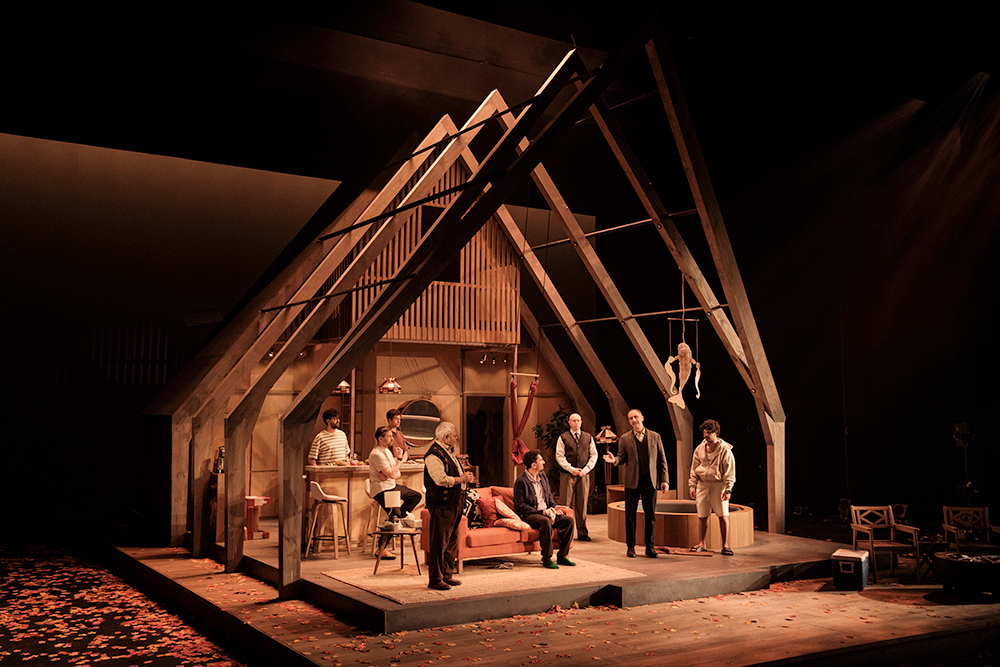
Frères - Duceppe

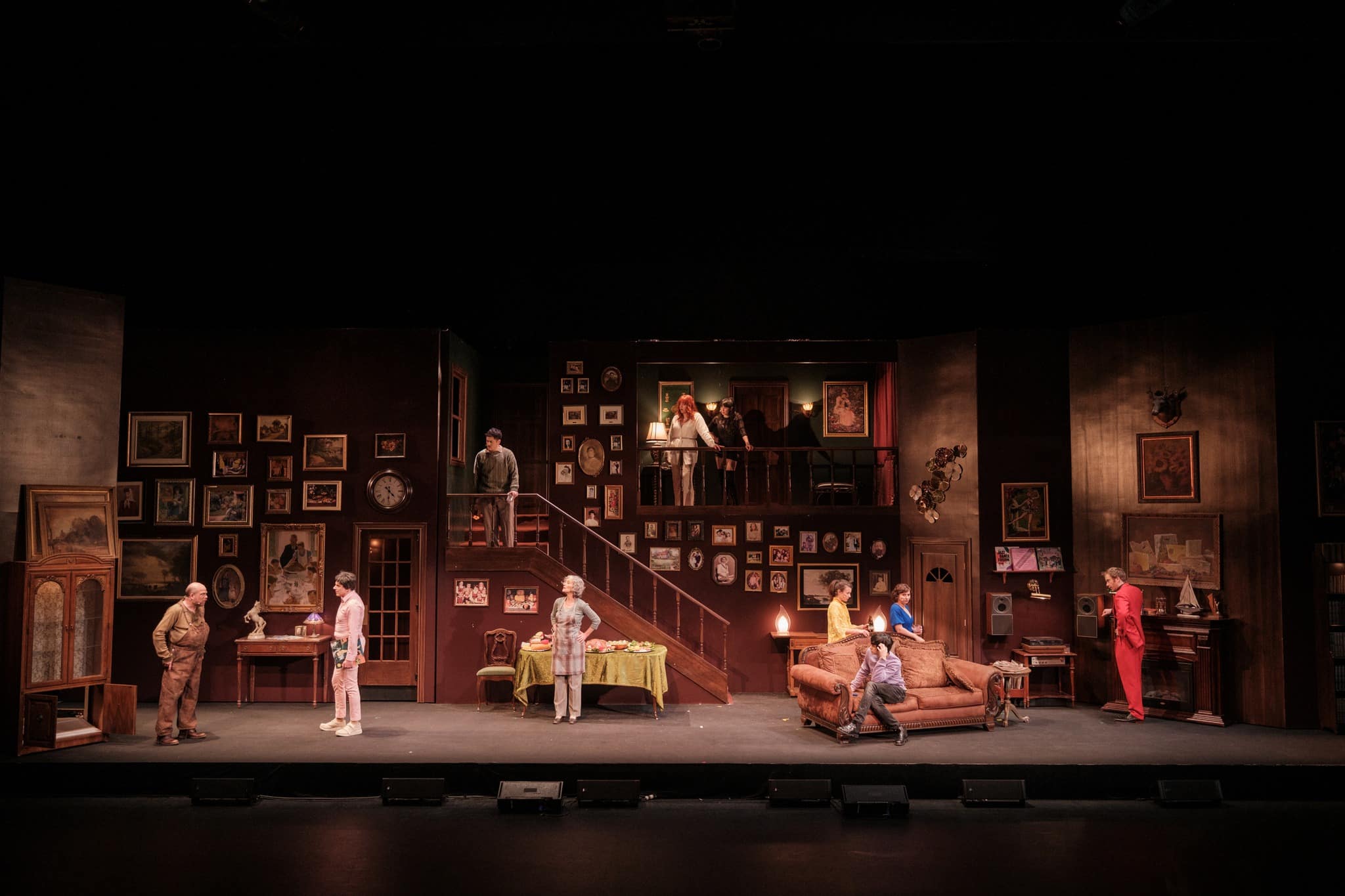
The scenography for the production Frères is an excellent example of the return to supplier strategy. A timber frame made from locally sourced white pine was designed in collaboration with Linéaire as a genuine structural frame rather than a temporary scenic element. Easily dismantled, it was reused by Linéaire in the construction of an actual chalet once the production had concluded.
This approach extended the lifespan of the materials, showcased the traditional craftsmanship of mortise-and-tenon joinery, and fostered a mutually beneficial collaboration between the cultural sector and the construction industry.

Photo © Danny Taillon
May 2026

National Theater School

The ecodesign consultancy provided to students in the French- and English-language programs at the National Theater School has significantly strengthened their skills, giving them the opportunity to put into practice what they learned in ecodesign courses in previous years.
This annual consultancy also made it possible to track the students’ progress throughout the year and to provide a comprehensive assessment of their successes as well as areas for improvement moving forward. Compared to the previous year, the reuse rate increased by 10%, representing significant progress.
These results make us particularly optimistic about the next generation’s ability to contribute to increasingly eco-responsible practices in the years to come.

Photo © Maxime Côté

February 2026

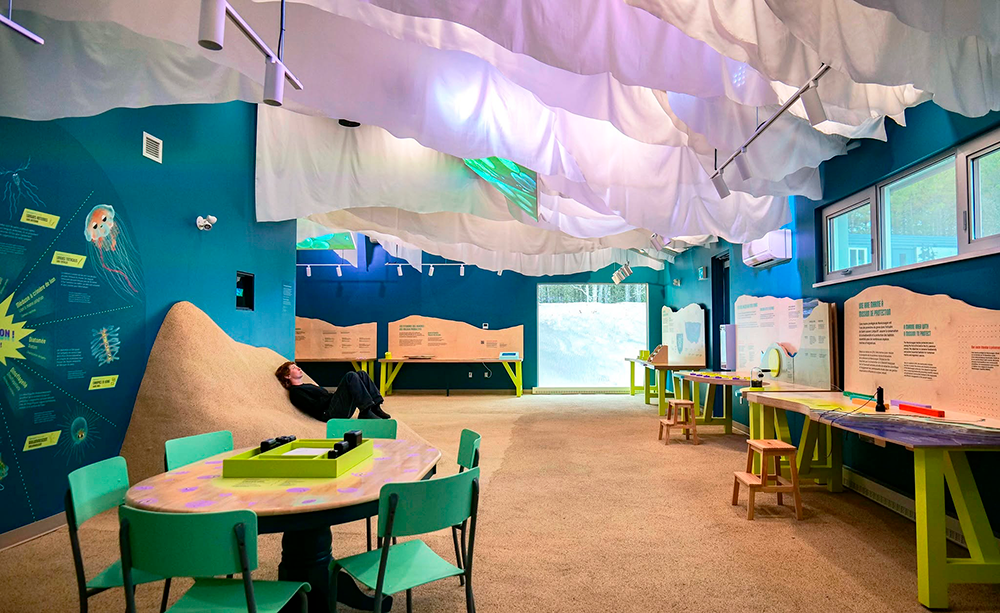
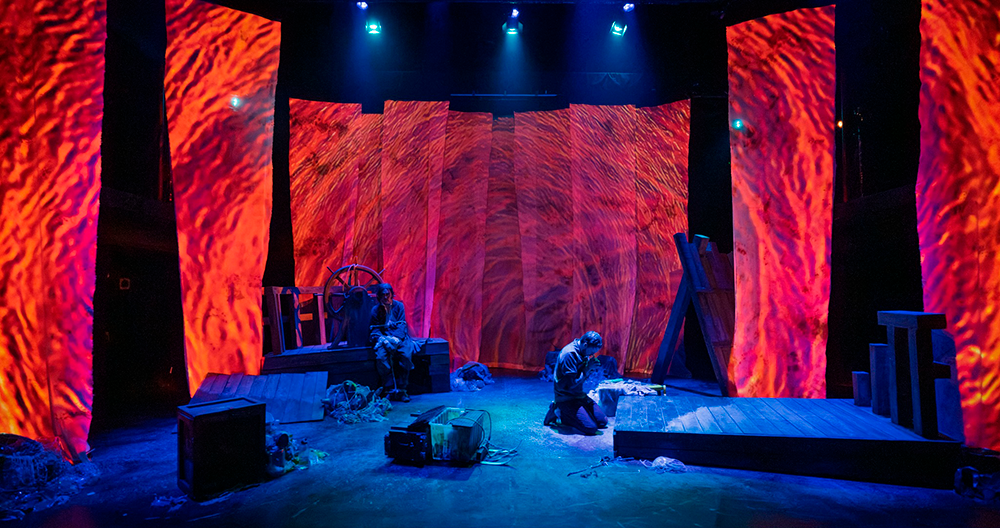
Entre deux marées, un monde à conserver - La Camaraderie

With support from Écoscéno, the La Camaraderie team successfully incorporated ecodesign principles from the earliest stages of creation of this exhibition presented at the Parc Nature’s Centre d’interprétation at Pointe-aux-Outardes.
The use of reused materials—such as the suspended sails that fill the space—is not merely an aesthetic or technical choice, but reflects a commitment to placing eco-responsibility at the heart of decision-making.
This approach required great flexibility in the design process, as well as a genuine openness to building upon what already existed. La Camaraderie also stands out for its use of low-tech solutions, an approach that significantly reduces environmental impact by prioritizing simple, sustainable, and ingenious solutions.

Photo © La Camaraderie

August 2025

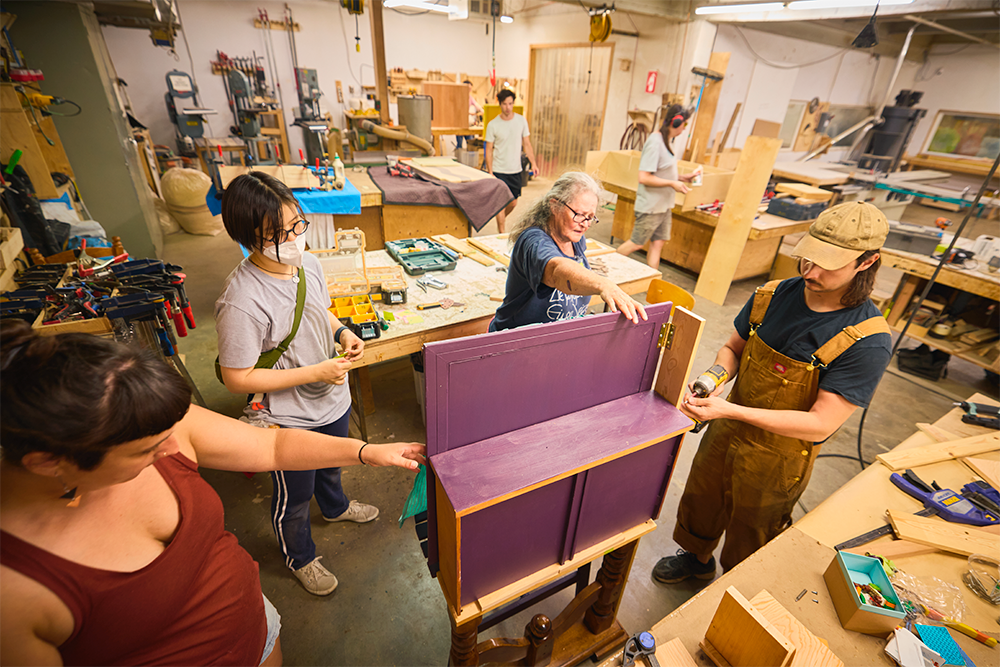
Le Marché des chimères - Les précieuses fissures

Le Marché des chimères is an artistic and social project that invites citizens to repurpose secondhand items destined for the landfill to create hybrid furniture using recycled materials and eco-friendly finishing products. Le Marché des Chimères is led by the creative collective Les précieuses fissures, in collaboration with LESPACEMAKER. Écoscéno contributed to this project by providing its expertise in ecodesign and support for sourcing secondhand materials. We also offered an upcycling and ecodesign workshop to the participants.

Photo © Andrew Miller

May 2025

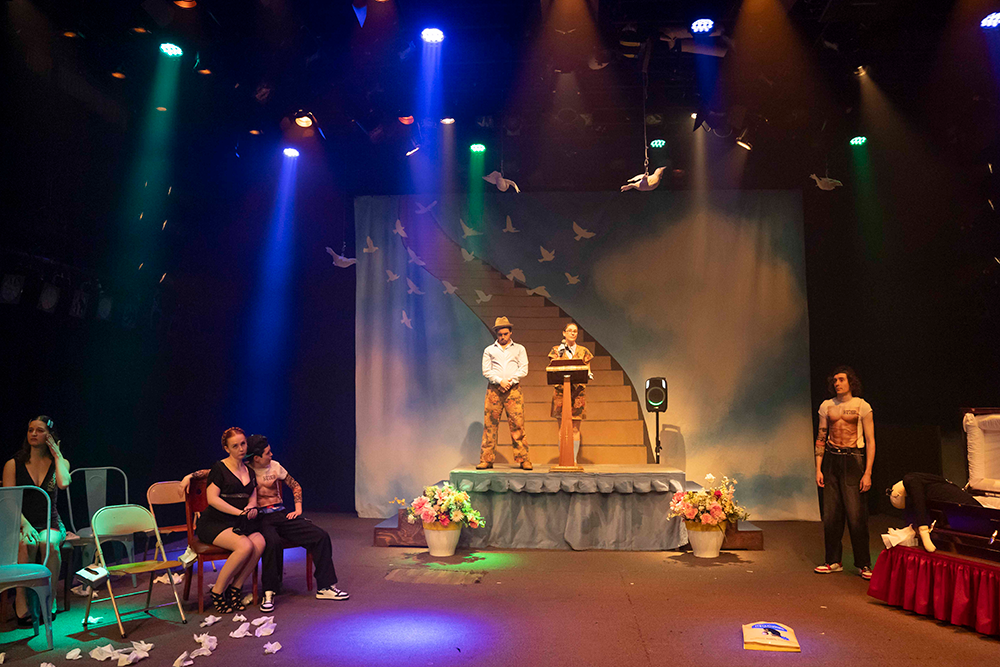
Pleurs - Nouveau Théâtre Expérimental

Écoscéno supported the creative teams at the Nouveau Théâtre Expérimental in their search for eco-friendly sets, costumes, and props for the production of Pleurs.
Several ecodesign strategies were implemented: sourcing secondhand items, flexible design concepts, certified sustainable materials, planning for a second life for the sets, using non-toxic products, optimizing fabric cuts, and more.
In total, more than 80% of the set was sourced from reused materials. After the show, 97% of the elements found a second life, primarily through donations to cultural institutions, helping to circulate materials and create resources for the cultural ecosystem.

Photo © Marlène Gélineau Payette

May 2025

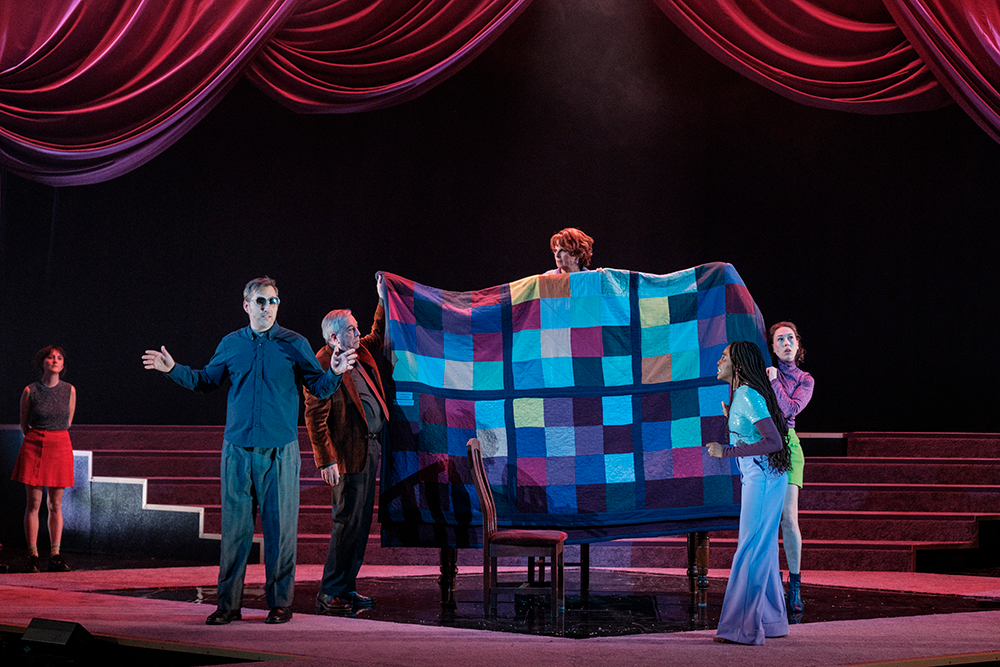
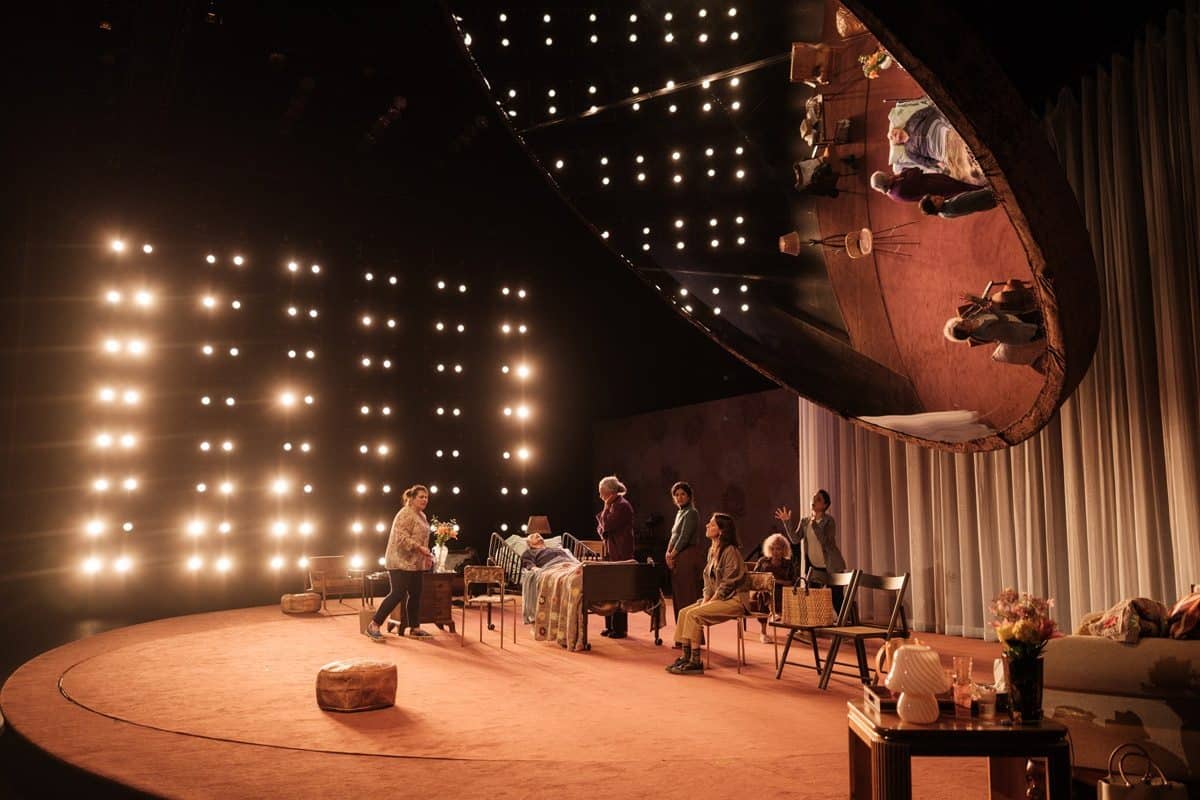
Janette - Duceppe

The play Janette at Théâtre Duceppe is a wonderful example of community collaboration. A quilt was created in honor of Janette Bertrand in partnership with the four Cercles de fermières de Montréal. Each circle helped create a section of the quilt and added its own personal touch. This project is a fine example of an initiative that creates a connection between the result and the process, thereby giving meaning and depth to the artistic endeavor.

Photo © Danny Taillon

December 2024

Symphonie de cœurs - RD Créations

The European tour of the show Symphonie de cœur was designed with ecodesign principles in mind, in collaboration with the production team. Rather than transporting the sets by plane, the team chose to have them built locally in Switzerland, using 80% reused materials. This decision required flexibility in the concept and collaboration with new circular economy partners, in this case the Matériuum resource center in Lausanne. As a result of this choice, more than 4,788 kg of CO2e were avoided.

Photo © Kevin Calixte

November 2023

Polytechnique - Porte Parole

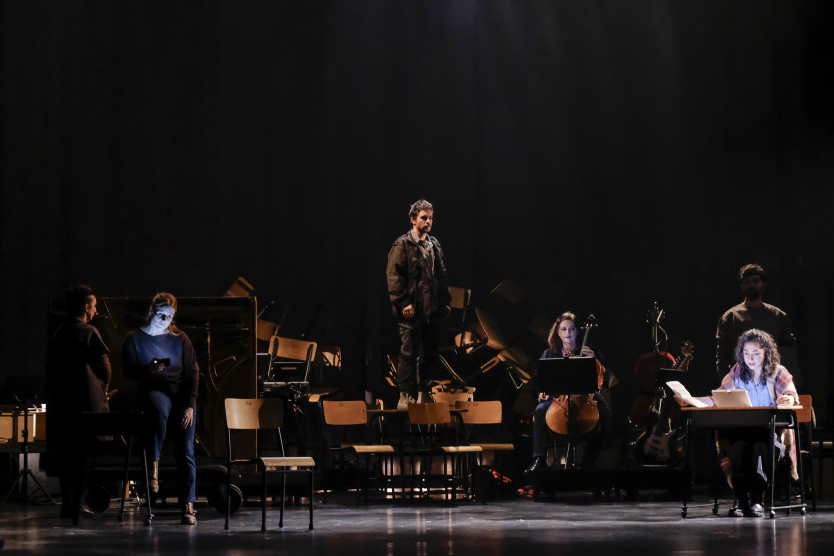
Écoscéno supported the production teams at Porte Parole on the documentary play Polytechnique. For this production, the focus was on upcycling used furniture, selecting responsible finishing products, and sourcing. 78% of the set design budget was allocated to upcycling efforts, including the refurbishment of 105 chairs and 18 school desks.

Photo © Yves Renaud

December 2022

MEM - Centre des mémoires montréalaises

Écoscéno collaborated with the production and creation teams of the MEM – Centre des mémoires montréalaises upstream in the creation of future installations. The teams carried out research and tests to develop a modular structure assembled mechanically, allowing to vary the configurations. We collaborated with Bois Public in the supply of reclaimed ash wood that met both aesthetic expectations and the criteria of responsibility sought.

November 2022

Showtime - Duceppe

Once again, Écoscéno has collaborated with the Duceppe theater‘s creation and production teams in the search for sustainable sets, costumes and accessories. Several eco-design strategies have been implemented: certified responsible materials, second-hand supply, anticipation of a second life for sets, standardization, use of non-toxic products on costumes, etc.

Photo © Danny Taillon

September 2022

Mama - Duceppe

Mama is the 6th production of Duceppe theater where Écoscéno offered eco-design consulting services with the creative teams. In total, over 68% of decor and 94% of accessories are responsibly sourced. In addition, 80% of the decor and 94% of the props have found a second life after the show.

Photo © Danny Taillon

July 2022

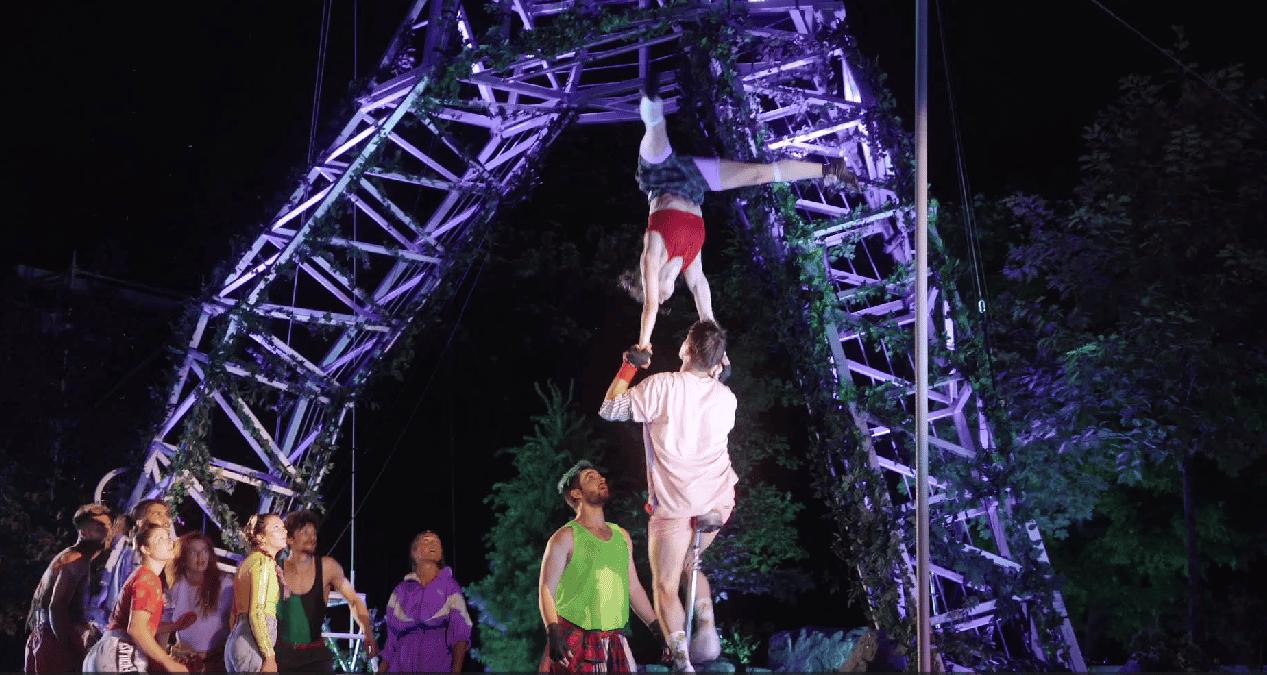
3GÉANTS - mirari

We collaborated a second time with mirari as eco-design consultants for the set design of 3GIANTS presented by Machine de Cirque during the Montréal Complètement Cirque Festival. Many sustainable strategies were implemented including the use of second-hand materials and eco-friendly finishing materials, standardization in the design, and ways of giving back to the community. For instance, more than 98% of the set came from sustainable supply chains and 96% was put back into circulation. This project is a perfect example that creating art all the while giving back to the community is not only possible but can have a positive impact in the long term. We’d love to thank Soverdi, Chaire de recherche sur la forêt urbaine and CÉDA for collaborating with us so closely.

June 2022

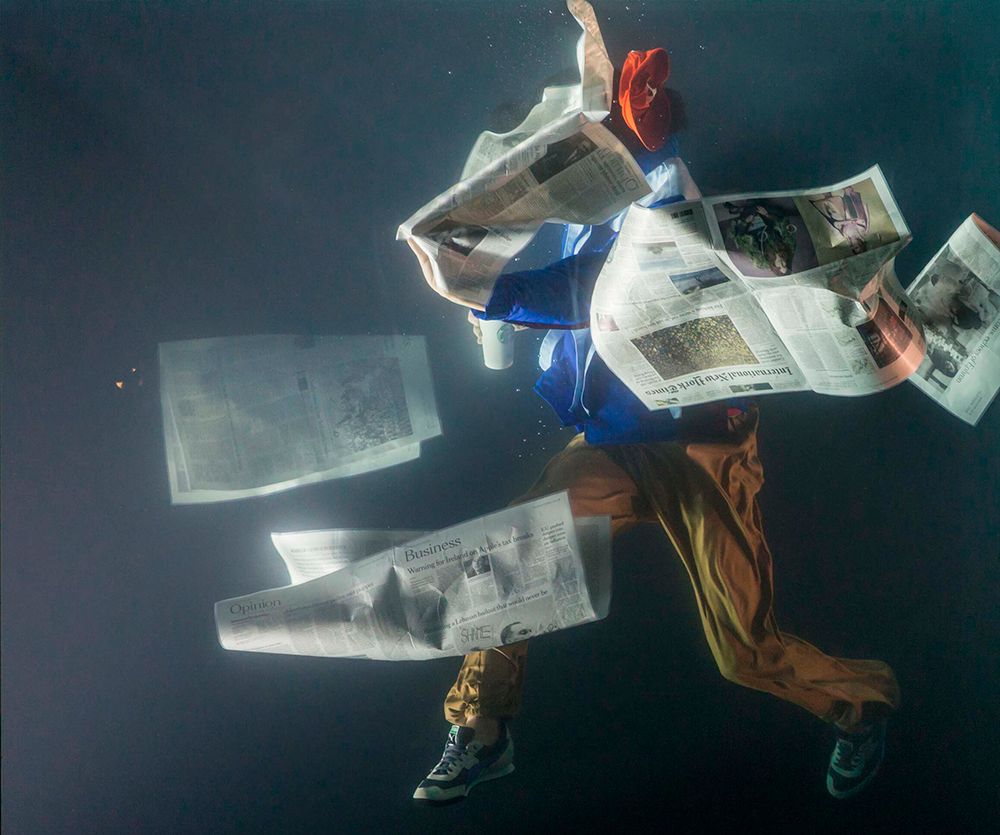
Holoscenes - FTA

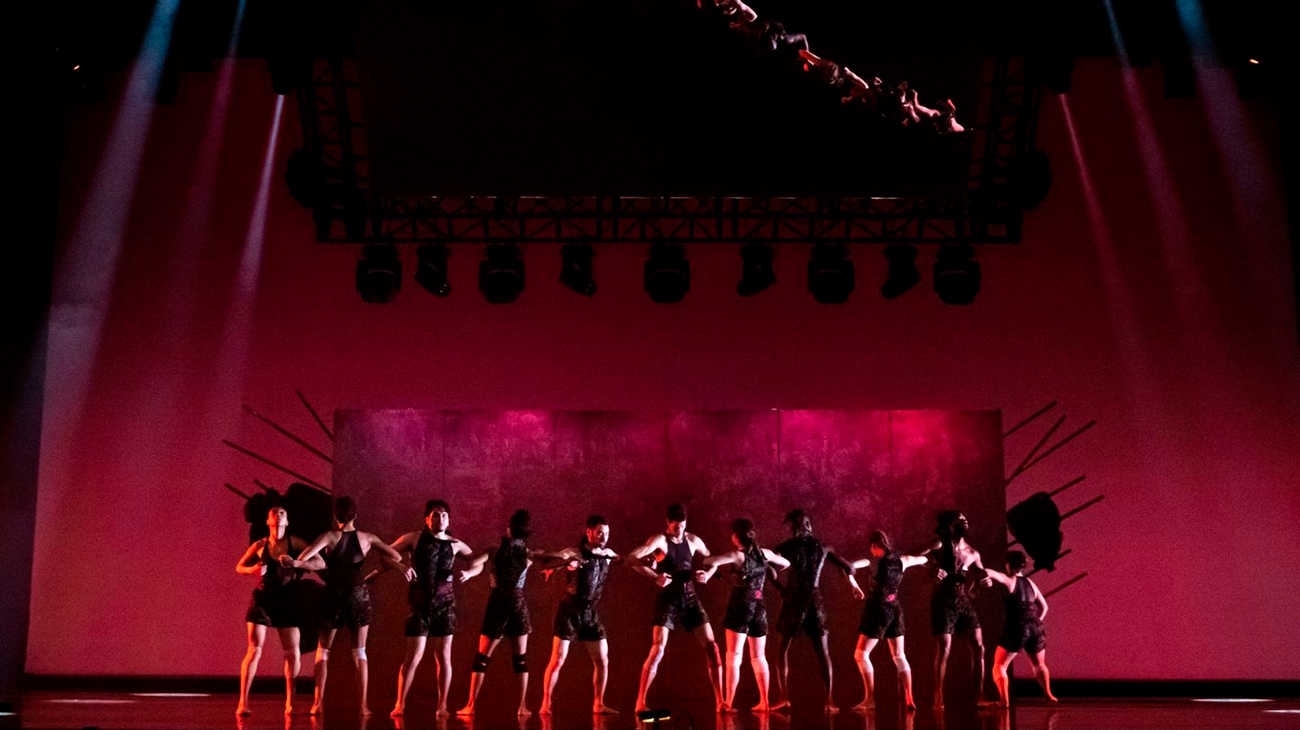
We accompanied the production team of the show Holoscenes, designed by the artist Lars Jan and presented during the FTA – Festival TransAmériques. In particular, we assessed the carbon emissions generated by the project in order to make responsible supply choices. In addition, the water supply and reuse process has been carefully studied in collaboration with the École de technologie supérieure. The water used for the show will then be used to clean the streets of the neighborhood and water the plants of the FTA Headquarters. Finally, the GHG emissions generated by the presentation of the show have been reduced to a minimum and the unavoidable emissions will be offset thanks to a donation to Eau Secours.

Photo © Lars Jan

February 2022

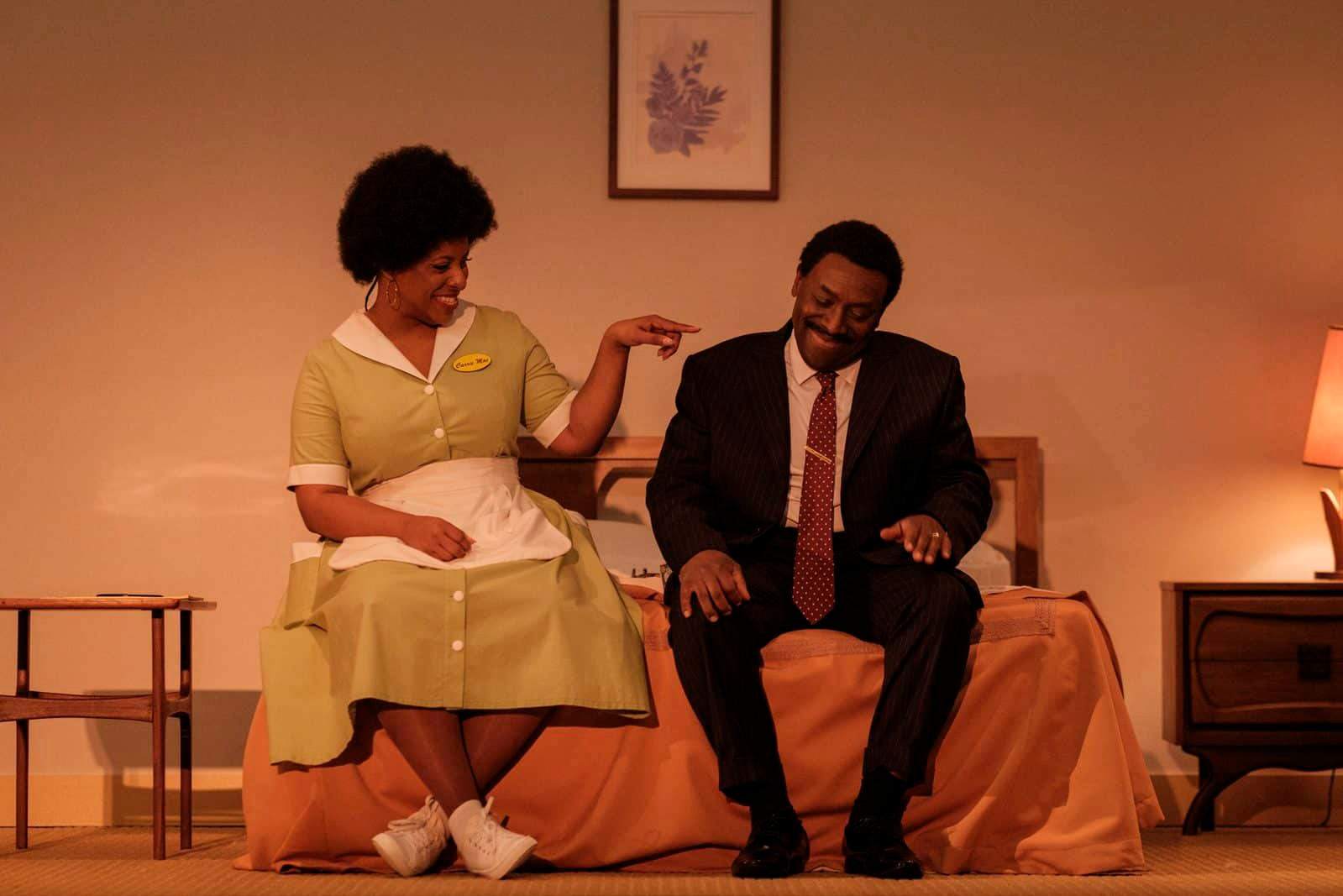
Au sommet de la montagne - Duceppe

We offered our consulting services with the creative teams of Au sommet de la montagne (a French translation of The Mountaintop presented at Théâtre Duceppe), in their search of sustainable supply chains, the best use of resources and planning future reuse. Flexibility in their design, standardization, and a significant amount of research gave way to the implementation of many sustainable strategies. In total, an estimated 64% of the set was made from second-hand materials and 41% of all props were reused for the production. Furthermore, 76% of the set and props, and 100% of the costumes found a second life after the final curtain call.

Photo © Danny Taillon

July 2021

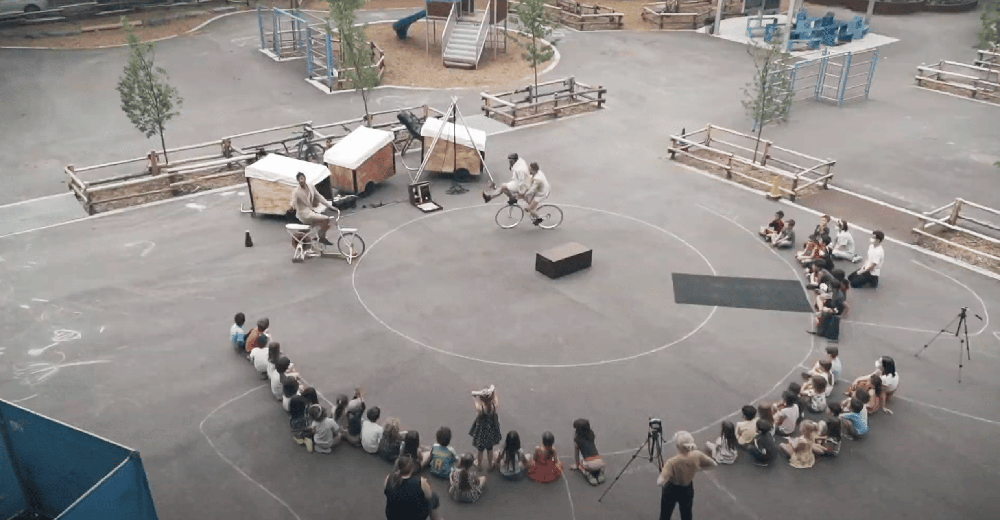
Cirqu'Avélo - Marguerite à bicyclette

The accompaniment of the traveling circus troupe led us to unearth high-performance materials in terms of solidity and durability. The troop transports all its elements of decorations in trailers pulled by bicycle. The main challenge was to find light and waterproof materials to protect the sets from rain and transport, while respecting the aesthetics of the trailers. For example, to create the protective tarpaulins, we carried out a series of tests with different recovered materials, eventually landing on on the reuse of a theatrical backdrop in PVC.

Photo © Eric Bates

2021

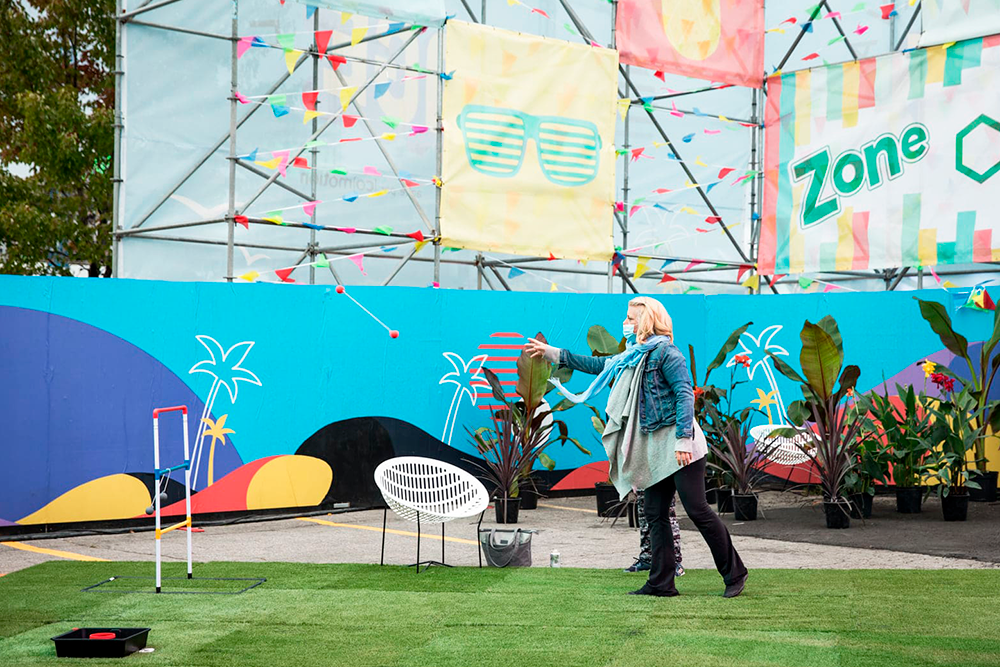
Festival LVL UP - Mirari

Écoscéno accompanied a festival for the first time, thus exploring a new type of production and challenges. This collaboration has made it possible to establish several very interesting synergies with players in the city of Laval. In the end, about 75% of the elements used were second hand and more than 80% had a second life. The fake turf was borrowed from their neighbor Festival Diapason, which ended a few weeks before LVL UP. The sand used to make a small artificial beach was recovered by the suppliers.

Photo © Susan Moss

June 2021

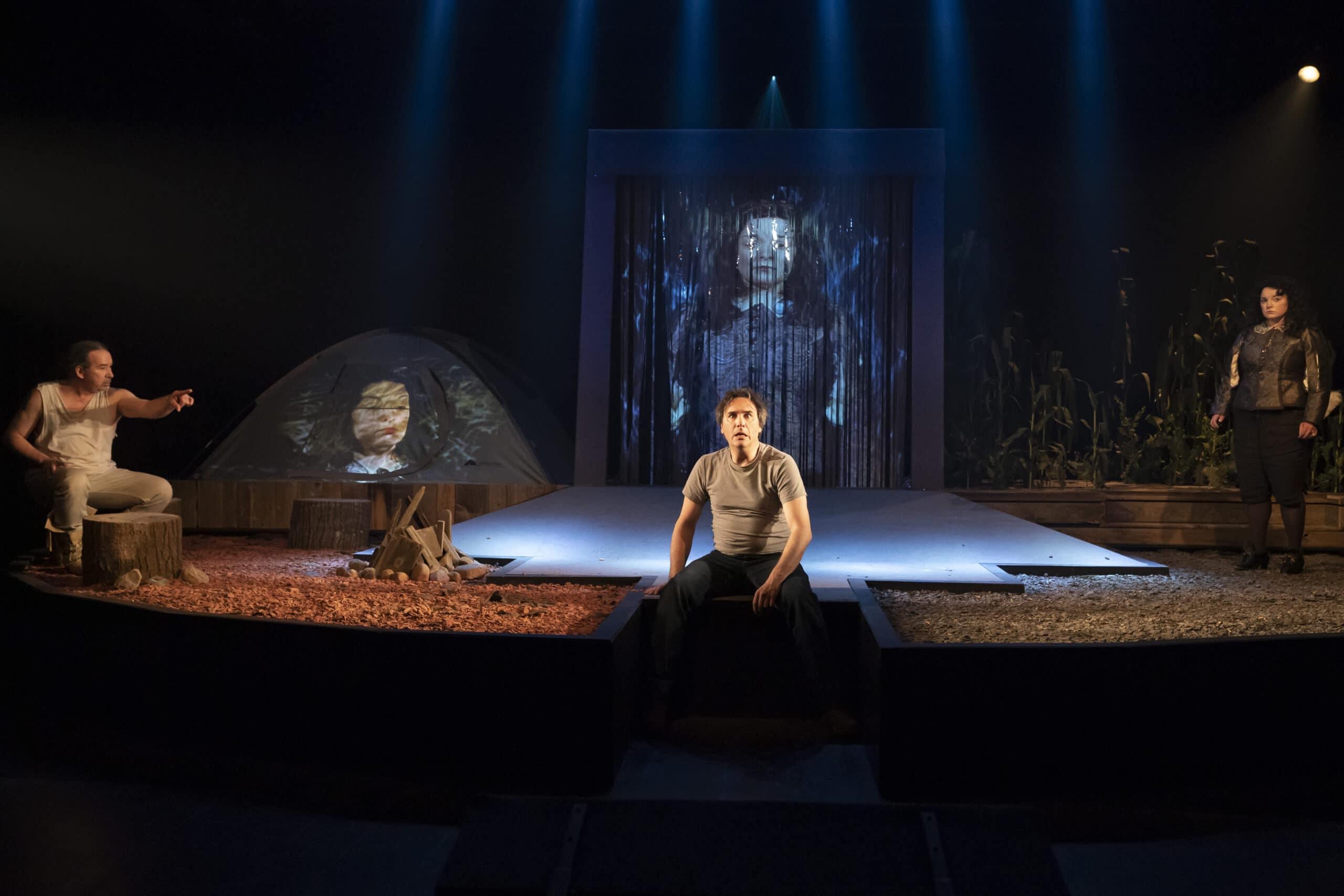
L'enclos de Wabush - Nouveau Théâtre Expérimental

This support from the Nouveau Théâtre Expérimental has made it possible to explore new eco-design techniques and push the limits of reuse. The majority of the elements have been made from second-hand materials or materials from responsible, local and non-toxic sources. The mechanical assembly of decorative elements made it possible to encourage their reuse. About twenty corn plants were entirely handcrafted from second-hand materials.

Photo © Sandrick Mathurin